
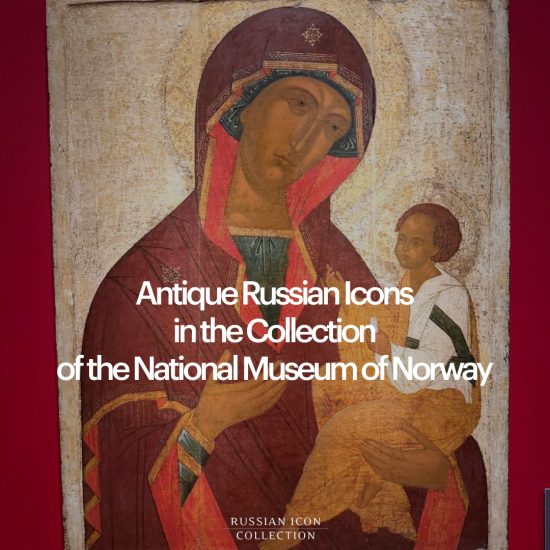
Antique Russian Icons in the Collection of the National Museum of Norway
While antique Russian icons are deeply connected with Russian history and the development of Orthodox spirituality, they also represent universally recognized objects of cultural and artistic value. For this reason, many public and private icon collections have formed beyond Russia, giving art enthusiasts around the world a unique opportunity to explore Russian icon painting traditions abroad.
Russian Icon Collection is always open to new acquaintances and partnerships in the art world, attending exhibitions and meeting renowned experts in the field of iconography. One such recent encounter was a visit to the National Museum of Norway in Oslo, featuring a remarkable icon collection.
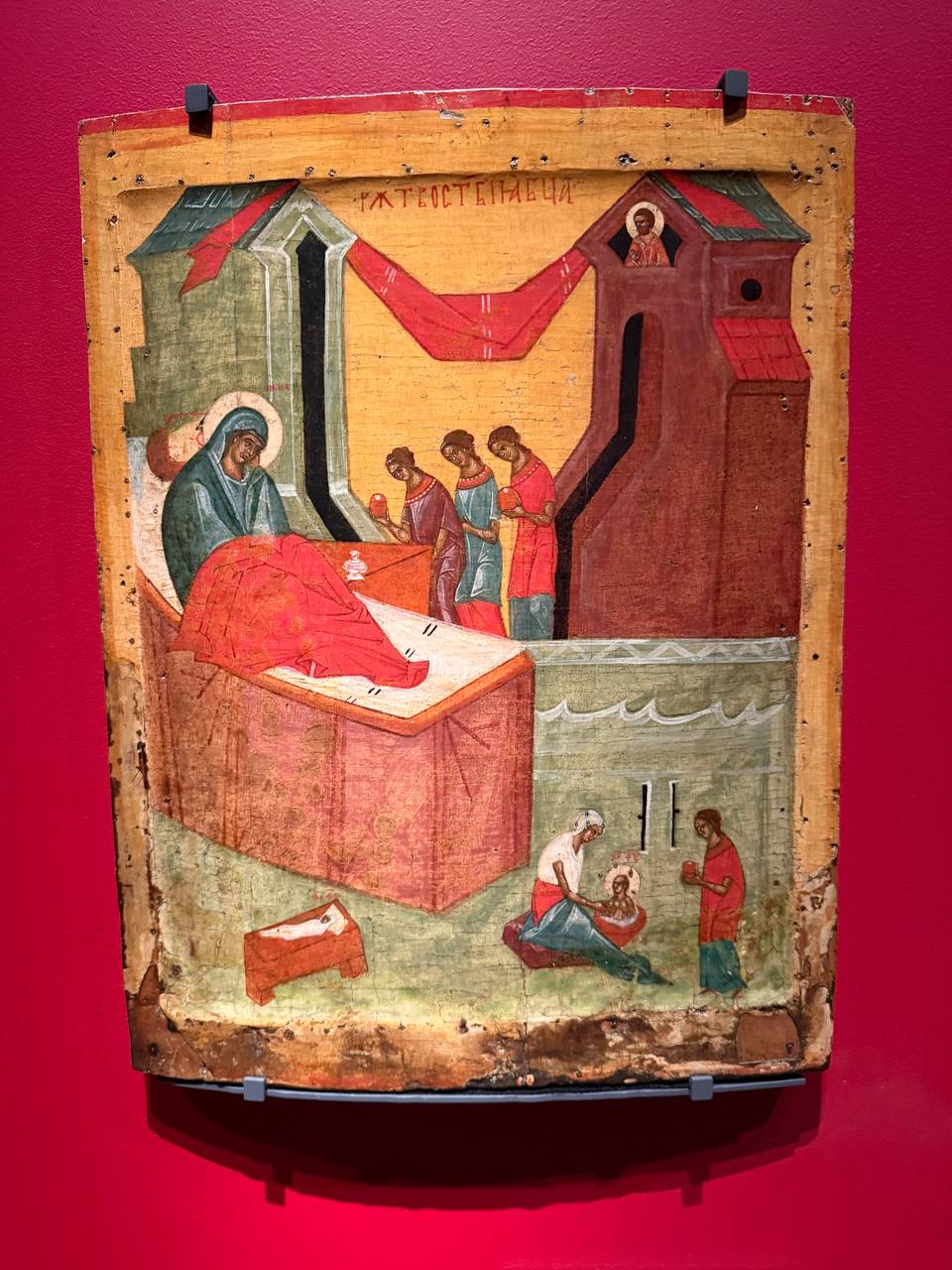
Novgorod school. The Nativity of the Mother of God. National Museum of Norway in Oslo.
About the National Museum of Norway
The National Museum of Norway in its current form opened in 2022 after years of discussions about the creation of a cultural institution that could unite the country’s art collections under one roof. Visitors to the historic Vestbanen site in central Oslo can now explore collections previously held by the National Gallery, the Museum of Contemporary Art, the Museum of Decorative Arts and Design, and Norway’s Museum of Architecture.
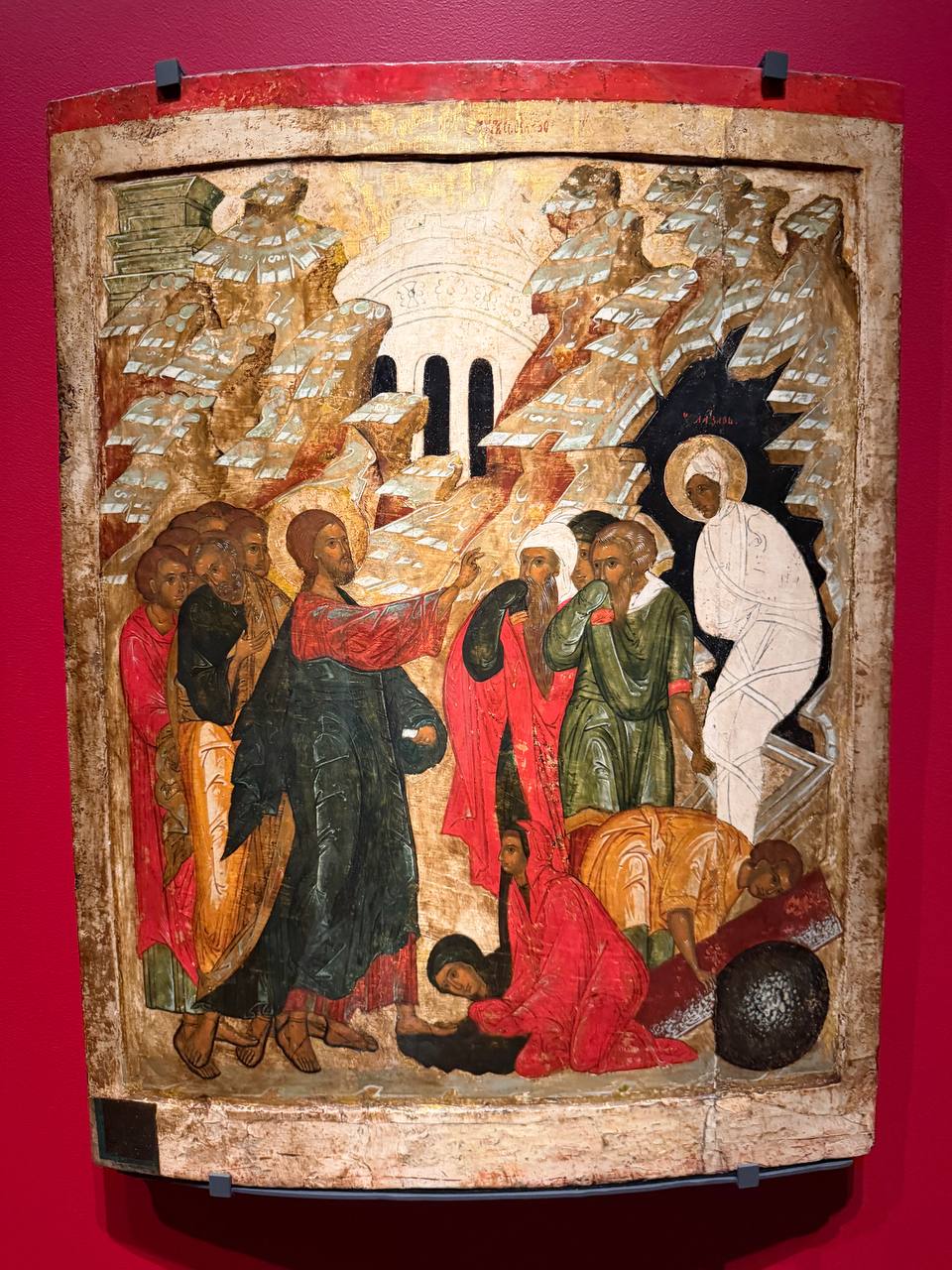
Novgorod school. The Raising of Lazarus. Circa 1560. National Museum of Norway in Oslo.
These institutions once preserved their collections separately, but their consolidation became a national project in 2003. Years of planning followed until the state government selected an architectural design capable of housing Norway’s vast artistic legacy, including more than 400,000 objects, with over 6,500 works presented in the permanent exhibition.
Antique Russian Icons in the Museum’s Collection
Alongside its extensive collection of paintings, sculptures, and decorative artworks from different historical periods, the National Museum of Norway proudly preserves a significant collection of antique Russian icons. The collection focuses primarily on works associated with the Novgorod school of icon painting.
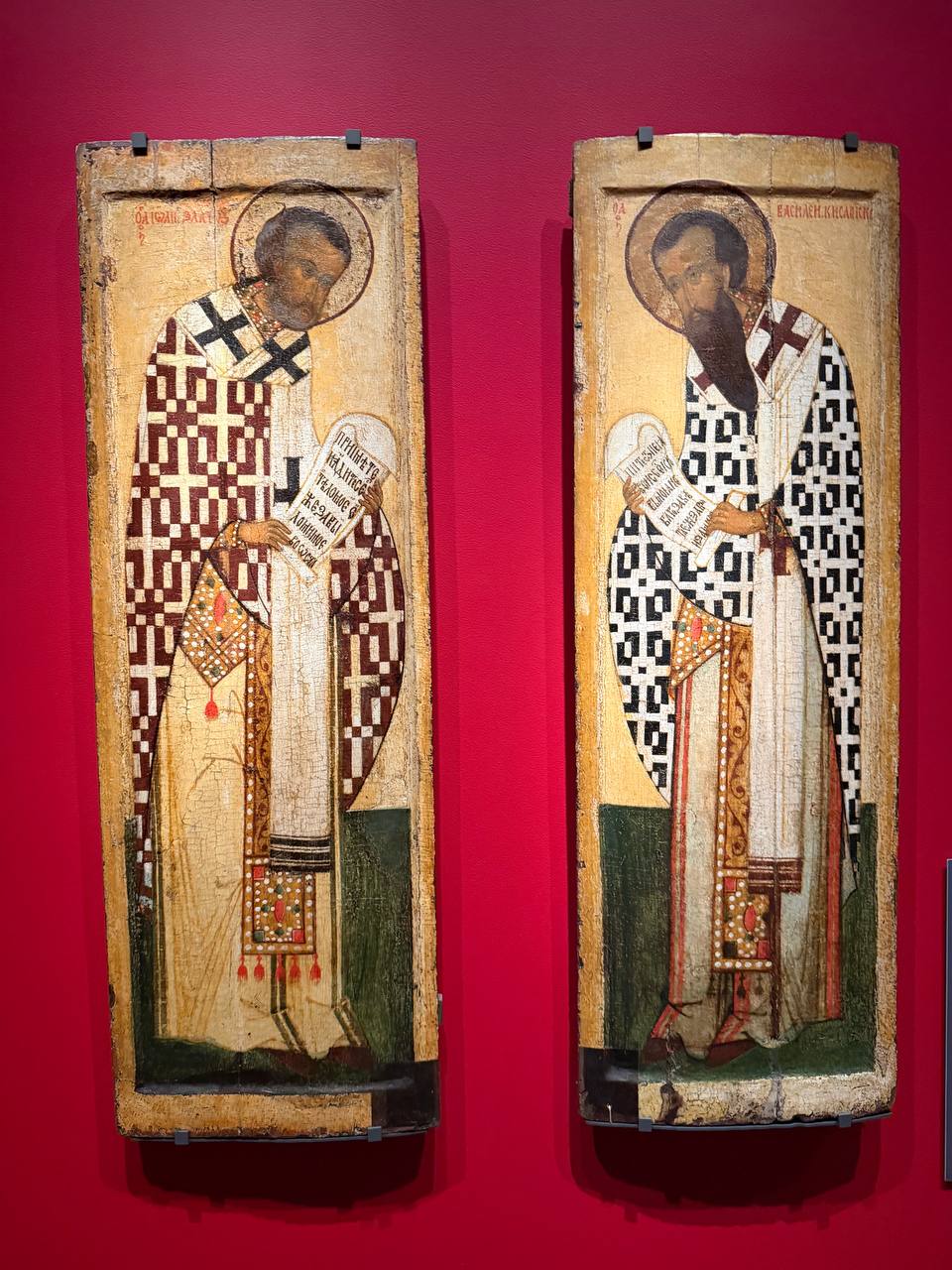
Novgorod school. John Chrysostom and Saint Basil the Great. The late 15th century. National Museum of Norway in Oslo.
The museum’s icons are displayed in the “Serving the Faith” galleries, within the section dedicated to religious art created between 1100 and 1530. They are exhibited alongside Dürer prints and works by Lucas Cranach the Elder, creating a fascinating dialogue between medieval religious imagery and the visual language of the Renaissance.
Among the most notable works in the collection are the icons of the Prophet Ezekiel and King David. Like many other religious artworks, these icons left Russia after the 1917 Revolution, when Soviet authorities confiscated church property and sold numerous icons abroad.
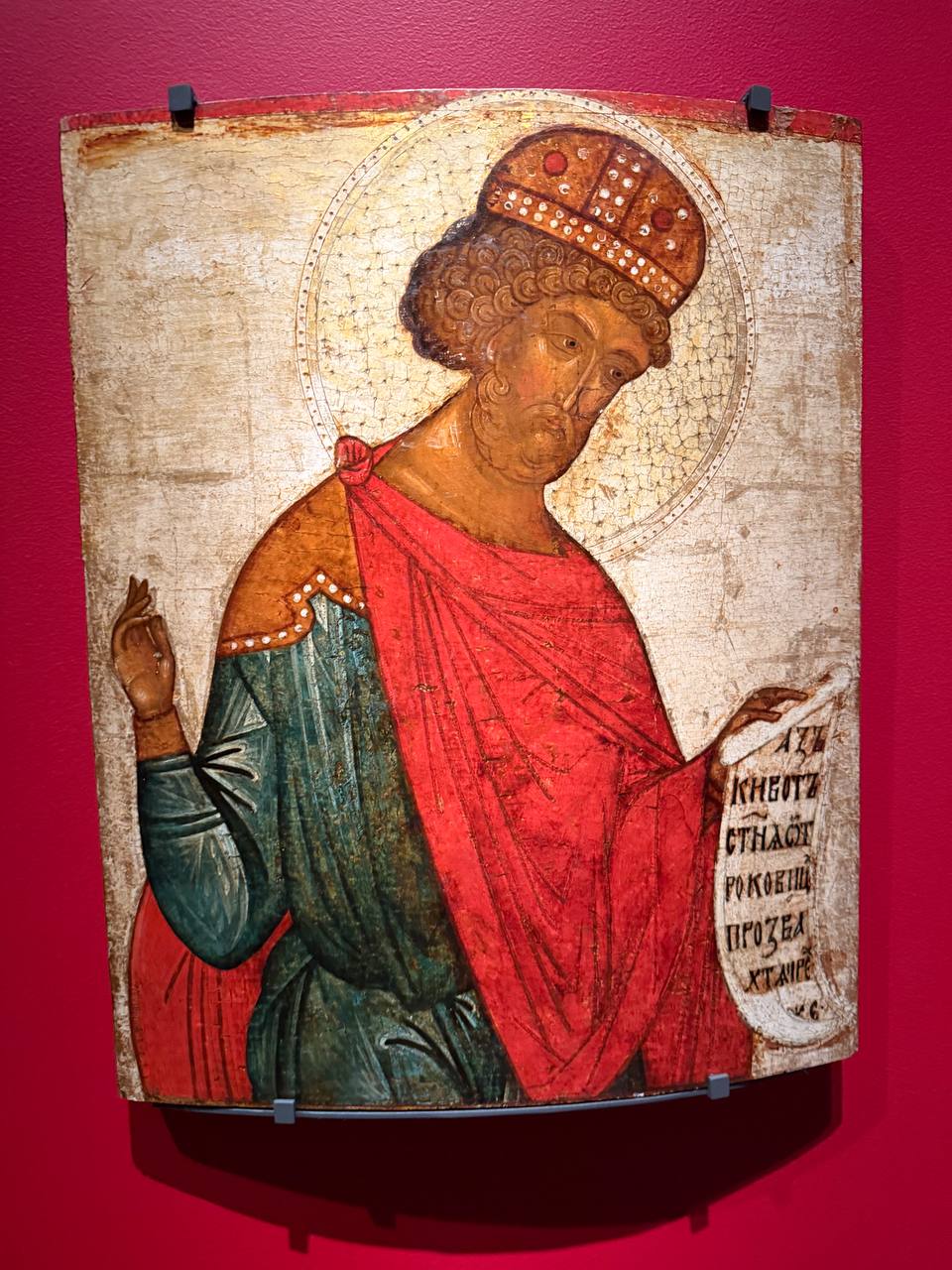
Novgorod school. King David. The late 15th century. National Museum of Norway in Oslo.
The collection of Russian icons in the National Museum of Norway is the most significant example of this artistic tradition in the country. Today, these works continue to introduce international visitors to the spiritual depth, historical importance, and artistic excellence of Russian icon painting.